Blog

The signing layer, explained.

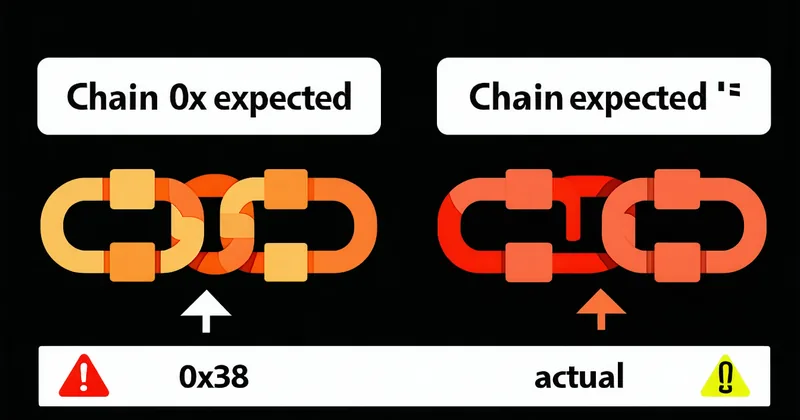
Technical writing for active DeFi traders: how chain-mismatch drains happen, what RPC poisoning looks like on Solana, why hardware wallets show raw hex, and what the EIP-712 domain separator actually encodes.

Articles

Solana

RPC Endpoint Poisoning on Solana: The Silent Drain Vector

Solana's public RPC landscape has a documented history of endpoint compromise. How a malicious node redirects your Ed25519-signed transaction to a different program without touching your private key.

8 min read
Arbitrum

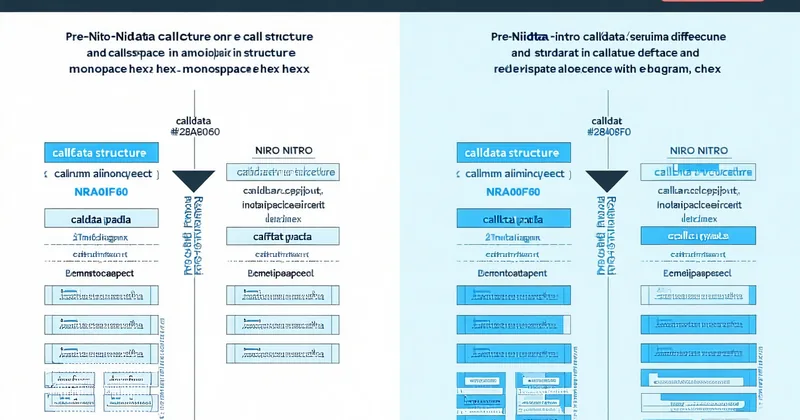
What Arbitrum Nitro Changed About Transaction Signing

Arbitrum's Nitro upgrade changed the internal calldata format. Wallets that didn't update their ABI decoders left traders approving Nitro-format transactions they couldn't read. A technical breakdown of what changed and why it matters for signing.

9 min read
Base

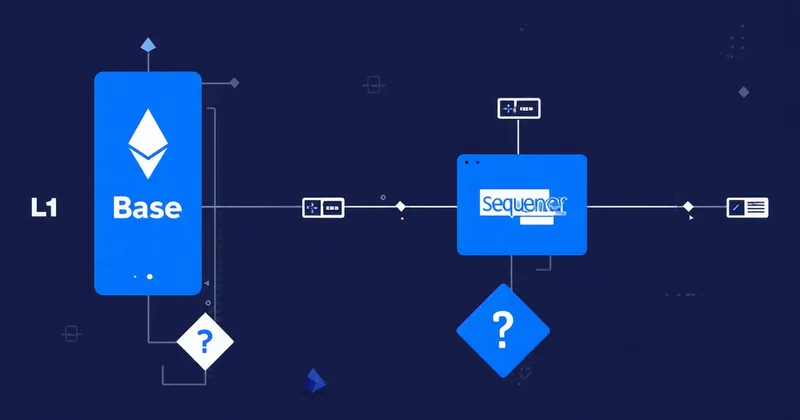
Trusting the Base Sequencer: What DeFi Traders Need to Know

Base runs a single centralised sequencer. What that means for transaction ordering, how to verify your signed transaction was submitted to the canonical endpoint, and what sequencer substitution looks like from the signing side.

7 min read
Treasury

Multi-Sig Treasury Operations Across Chains: A Practical Guide

A practical breakdown of multisig treasury operations across three chains: threshold coordination, hardware signing across different approval surfaces, and where the failure modes sit when signers are on different chain setups.

12 min read
Blind Signing

Blind Signing Is Still Killing Traders

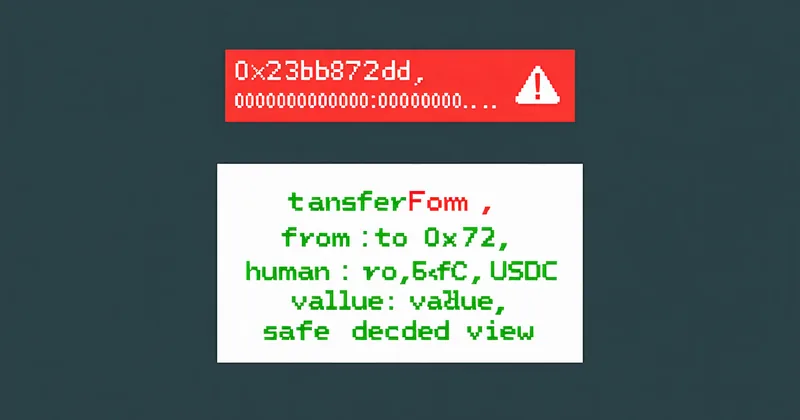
Why hardware wallets display raw hex instead of decoded intent, how to read calldata before you sign, and what a verified decode preview actually changes.

9 min read